On July 3rd, ASSET H&C hosted the 9th Get Together event, welcoming representatives from our network of 12 member schools.
The focus of this workshop was to explore inclusive educational practices, particularly highlighting Steps’ successful vocational center model for the neurodivergent community, and to inspire educational institutions to adopt similar practices to empower all learner.
Established in 2016, Steps is a pioneering training institution for neurodivergent individuals in Thailand. Steps provides meaningful transition-to-employment pathways and partners with corporations to reform practices, establish neuroinclusive frameworks, and create inclusive employment opportunities. Through its interconnected programs, Steps empowers neurodivergent individuals, their caregivers, and the broader public to advocte for inclusive practices. Steps is managing five coffee shops, one business service center, two vocational training centers, one workplace inclusion consultancy, and one research center. Their holistic approach to creating inclusive ecosystems includes three pillars:
Pillar 1 – Training Centers:
Focus on building life skills, independent skills and employability skills.
Programs: Life Skills (ages 14+), Preparation for the Future (ages 16-18), Transition to Work (ages 18+).
Training model: Learning by doing, project-based, real-world applications.
Uses tailored curriculum for diverse learning methods and student-driven topics.
Evaluation: Self-reflection, family feedback, professional assessment, and employer inputs.
Supports learners with on-the-job training and career counseling.
Pillar 2 – Social Enterprises:
A touchpoint for society to engage and change perceptions.
Follows a research-based approach of Place, Train and Fade
Provides training in hospitality, barista, office administration, and digital skills, as well as transferable skills.
Pillar 3 – Consultancy Services:
Offers consultancy for companies to meet inclusion goals
Pilot project: Disability inclusion in 5 hotels, creating 100+ jobs.
Through the Q&A session, participants delved into Steps’ challenges and solutions in recruiting and transitioning students to employment:
Trainer Recruitment and Challenges:
Intensive follow-up with learners in employment to ensure successful integration.
Trainers with diverse backgrounds are trained for months after joining the team.
Common challenges for learners include thriving in real work environments.
Student Recruitment and Support:
Recruited through referrals from schools, hospitals, doctors, and friends.
Encouraging the disclosure of learning differences or conditions to agree on mutual accommodations needed.
Offers financial support and scholarships.
Employment and Financial Sustainability:
Employment placements: 50-60% in companies, 10-20% in family businesses, 10% continue higher education.
Self-funded through social enterprises and vocational training fees.
Initially started with personal funds.
Group Discussions and Action Plans:
ASSET H&C representatives worked in two groups to discuss initial initiatives at their schools to include neurodivergent students and prepare them for future employment:
Build internal capacity and hire specialists to ensure programs are inclusive.
Troubleshoot existing learning environments and programs to accommodate diverse learning needs with video-based materials and tailored counseling.
Engage partners and employers in diversity and inclusion programs to raise awareness.
The workshop concluded with concrete actions and commitments proposed by school representatives to promote inclusive education in their institutions.
Join the Movement:
If this recap sparks your interest, or if you seek to integrate similar practices in your institution, don’t hesitate to reach out or join our future Get Togethers. Together, we can achieve more and pave the way for a sustainable future.
Contact for further details or resources: Ha Phan (ASSET H&C Project Manager): ha.phan@iecd.org
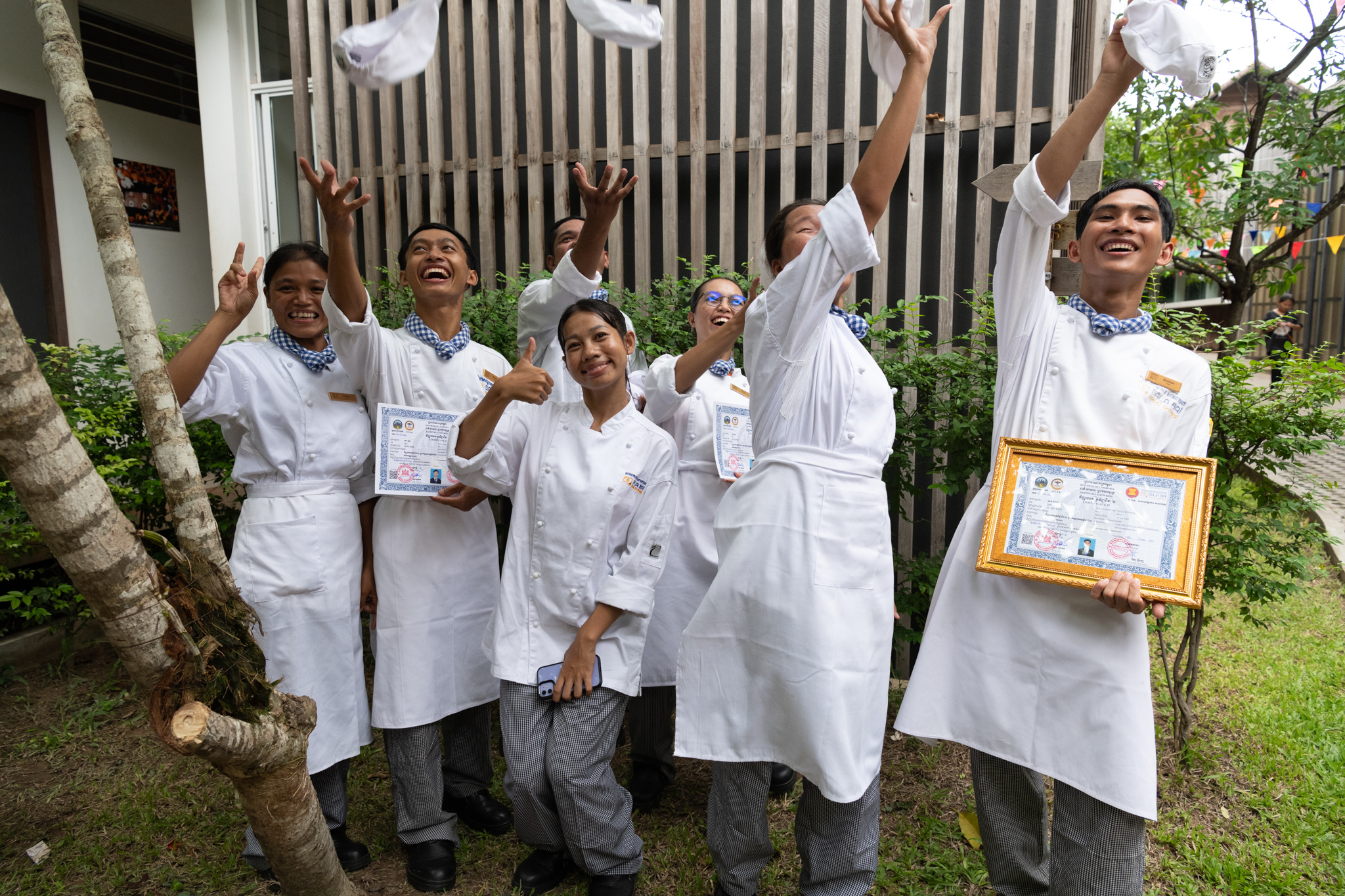
On July 23rd, 2026, 45 participants from across Southeast Asia gathered at the Eco-Campus of École d'Hôtellerie et de Tourisme (EHT) Paul Dubrule in Siem Reap, Cambodia, for ASSET-H&C's annual public conference, themed "Building Green Skills for Hospitality's Future: From Classroom to Check-in." The morning was built around one question: how do vocational schools and the hospitality industry close the sustainability skills gap together?
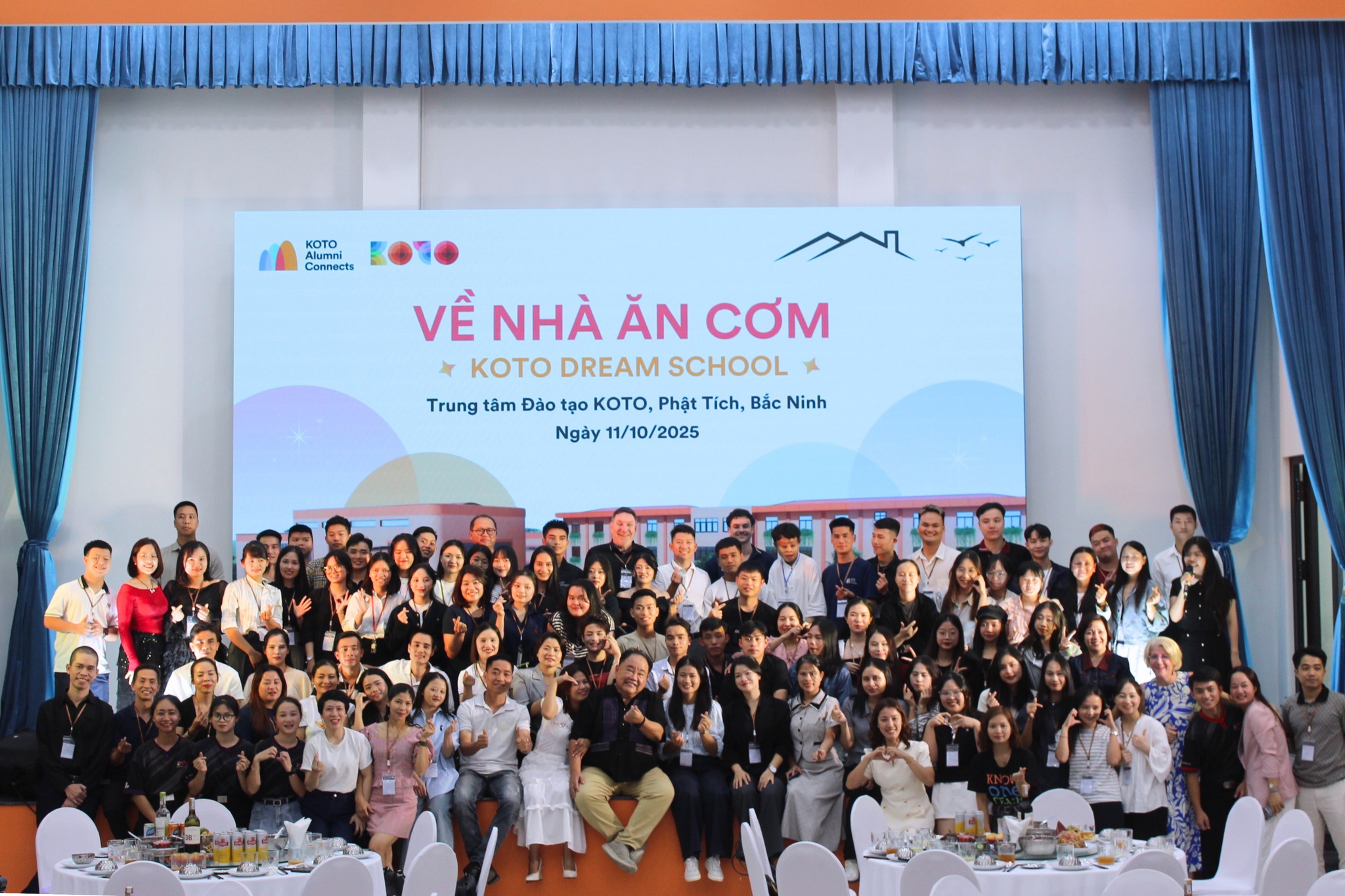
Building a strong, lifelong relationship with graduates is essential for vocational schools, yet maintaining that connection poses unique challenges. On May 29, 2025, school staff, trainers, social workers, and directors across the ASSET-H&C network gathered online for GetTogether #13—an inspiring knowledge exchange focused on the art of alumni engagement from KOTO (Know One, Teach One).
At the twelfth edition of the ASSET-H&C Get Together series, held on July 17, 2025, our members schools gathered for an interesting conversation confronting a challenge many institutions share: staff turnover. Under the theme “The Social Business Paradox: Staff Turnover Under the Microscope”, the session has unpacked the root causes of high turnover rates and explored collaborative solutions.
On July 23rd, 2026, 45 participants from across Southeast Asia gathered at the Eco-Campus of École d'Hôtellerie et de Tourisme (EHT) Paul Dubrule in Siem Reap, Cambodia, for ASSET-H&C's annual public conference, themed "Building Green Skills for Hospitality's Future: From Classroom to Check-in." The morning was built around one question: how do vocational schools and the hospitality industry close the sustainability skills gap together?
Building a strong, lifelong relationship with graduates is essential for vocational schools, yet maintaining that connection poses unique challenges. On May 29, 2025, school staff, trainers, social workers, and directors across the ASSET-H&C network gathered online for GetTogether #13—an inspiring knowledge exchange focused on the art of alumni engagement from KOTO (Know One, Teach One).
At the twelfth edition of the ASSET-H&C Get Together series, held on July 17, 2025, our members schools gathered for an interesting conversation confronting a challenge many institutions share: staff turnover. Under the theme “The Social Business Paradox: Staff Turnover Under the Microscope”, the session has unpacked the root causes of high turnover rates and explored collaborative solutions.






 LinkedIn
  Facebook